Walking, moving your arms, and maintaining a steady pace improves circulation and relaxes the cervical area, especially when done on safe surfaces with appropriate footwear. Adhering to this daily routine of simple exercises can lead to deep and lasting relief, as no special equipment is needed, just consistency, gentle movements, and attention to posture to help the neck feel light again.
This is compounded by the fact that conventional solutions often fall short. Occasional massages or heat applications provide temporary relief, but without consistent work on the area, the pain returns with the same intensity.
According to the Argentine News Agency, the most recommended exercise to relieve neck pain without going to a gym is neck stretching with axial elongation. Keeping the head aligned with the spine and avoiding prolonged forward flexion makes a huge difference in cervical health.
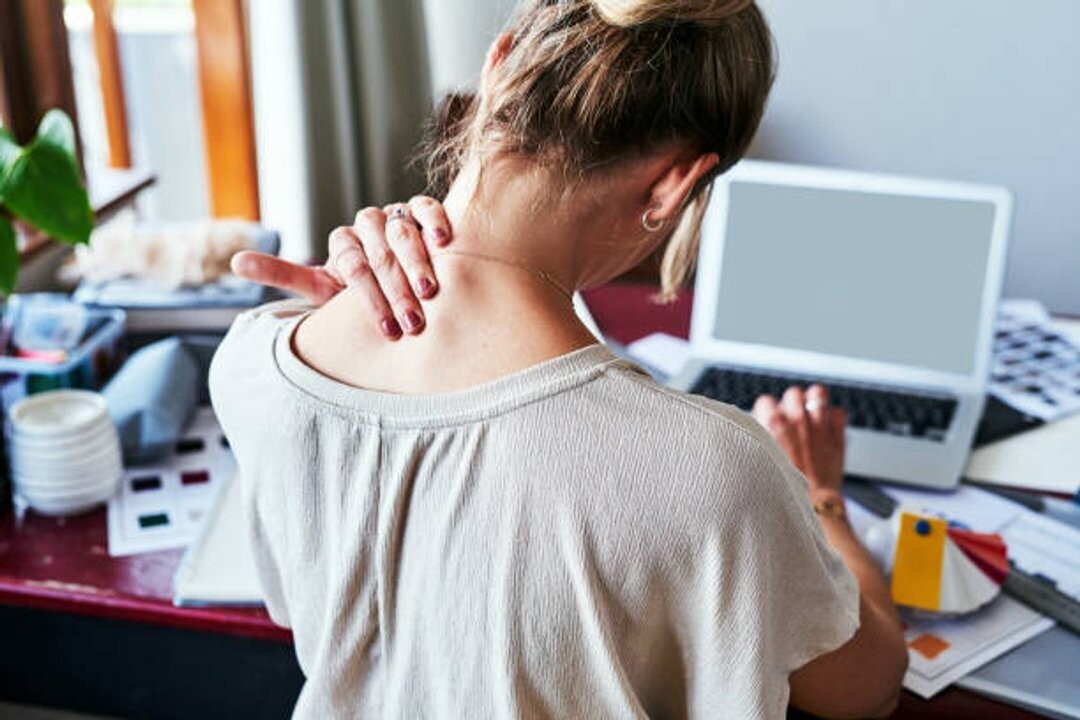
Practical tips to improve posture and prevent neck pain To maintain a healthy posture, specialists recommend: • Elevate the screen to eye level. • Support your back well when sitting. • Avoid hunching your shoulders and take active breaks every one to two hours. It is also useful to strengthen the back area to balance the musculature.
Complementary exercises to relieve neck pain These can be complemented by outdoor walks, which also help reduce tension. While sitting or standing, simply tuck your chin in slightly, lengthen your neck, and hold for 20 to 30 seconds. This simple gesture helps decompress the vertebrae and reduce muscle tension.
Another effective option is the controlled lateral stretch, which involves gently tilting your head to one side without forcing it, keeping the opposite shoulder relaxed. Hold for 20 seconds and repeat on the other side. This exercise releases the lateral neck muscles, which are often the most affected by cell phone use.
In addition to exercising and stretching, improving daily posture is key to preventing the discomfort from recurring. This accumulated tension eventually leads to stiffness, stabbing pains, and limited mobility.